About SCDC
A social, non-profit non-governmental organization established in 1997 (29 Bhadra 2054 B.S.) with its central office in Biratnagar. SCDC brings together members from diverse backgrounds, including indigenous communities, working across the Eastern and Central development regions of Nepal.
Registered with DAO Morang (Reg. 723) · Affiliated with Social Welfare Council (SWC 6809)
“A step towards establishing an equitable society.”
SCDC is committed to improve livelihoods of backward community people, with special emphasis to women, deprived and disadvantaged as well as socially oppressed people of our society, making them aware about the opportunities for their own socio-economic empowerment.
Contribute to the creation of an equitable society by making disadvantaged communities aware and self-reliant.
Rooted in Community, Guided by Democratic Governance
Founded on September 14, 1997 in Biratnagar, Sagarmatha Community Development Center (SCDC) is governed by a central committee of nine members elected democratically by the General Assembly every two years.
General membership is open to dedicated citizens aged 20–60 devoted to community upliftment and social work. Our collective is formed by members from diverse cultural and indigenous identities committed to human dignity, transparency, and inclusive social transformation.
Over three decades of active grassroots engagement, SCDC has led transformative interventions in community development, education, child rights, public health, environmental conservation, alternative energy, good governance, sustainable income generation, and community forestry.
Institutional Credentials
Our Objectives
Statutory organizational mandates guiding SCDC programs across health, livelihoods, education, and ecological preservation.
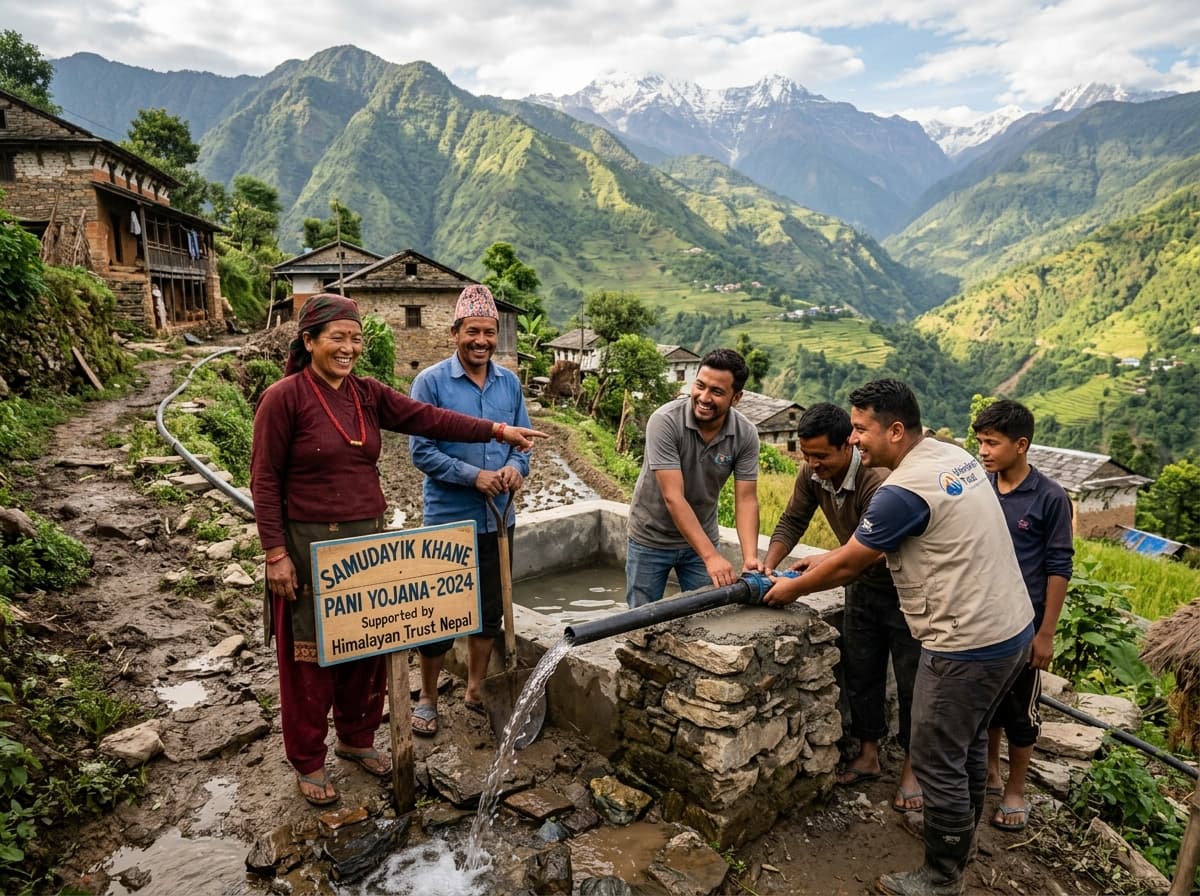
To improve quality of life in the community through health, hygiene, sanitation, safe drinking water facilities and preventive health care.
To enhance socio-economic capacity of deprived and underprivileged ethnic tribes and women through sustainable livelihood programs and good governance.
To aware local people in crosscutting issues; HIV/AIDS, Malaria, TB, Kalazar, Drug Abuse, Fundamental Human Right, Gender equity, equality and Social Inclusion.
To provide skill based and capacity building training to the targeted community people.
To provide counseling, testing and referral services to prevent from HIV/AIDS epidemics.
To conserve natural resources involving local people in environmental friendly approach.
To provide consultancy services in the field of community development, health, hygiene, sanitation, commercial agriculture, infrastructures as required.
How We Are Organized
Democratic oversight from the General Assembly through our executive body, central coordination teams, and grassroots field implementers.
Gender & Social Inclusion
SCDC is committed to gender balance at every level.
Institutional Gender Distribution
Working Districts
Active community presence across eight key districts in Koshi and Madhesh Provinces of Eastern and Central Nepal.
Implementation Strategy
Our six-pillar operational approach prioritizing community ownership, rigorous needs assessment, and institutional sustainability.